Leave the lights onwhen the power is out.
If the power goes out, your home goes dark, even with a solar system on the roof. Having a battery is what changes things. Here’s how it works, and what it takes for your whole home to be backed up indefinitely.
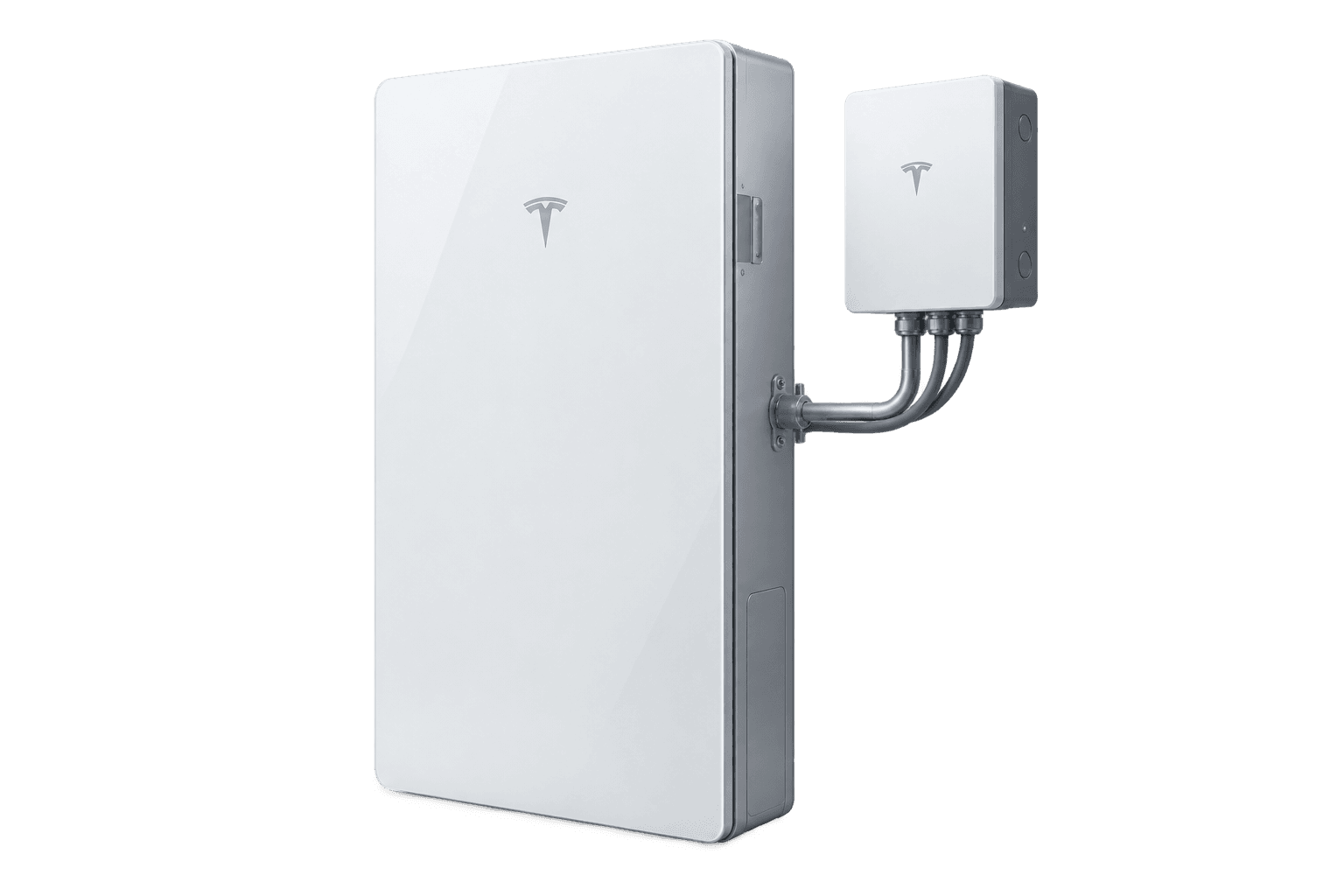
Why Solar Panels Are Not Enough in an Outage
Every grid-tied solar energy system in Florida behaves the same way. The second the utility power drops, the inverter shuts the solar system down. It isn’t a defect, it’s a regulatory requirement to avoid electricity being pushed back into the same power lines that workers are repairing.
A battery changes the rule, because it changes the wiring. The battery recognizes the power outage and immediately isolates your home from the grid with a component called the transfer switch. Now your home is working independently: nothing you produce can reach the street, and your lights are allowed to stay on.
How the Three of Them Work Together
During an outage
The Home Backup Mode is triggered automatically and in well under a second: no generator to start, no fuel to find. Overnight the house runs on energy already stored in your battery. Come daylight the panels start capturing solar energy, run the house, and refill the battery for the next night.
On an ordinary day
Choose between keeping your batteries full at all times to be ready for an outage or using them as a financial mechanism to squeeze out some extra savings by switching to Time of Use rate with your utility provider.
How Many Batteries Do You Need?
There is no one-size-fits-all answer, because it depends less on the house and more on your needs. It comes down to two numbers:
Power output — kW
How many loads, at once.
Different appliances need different power inputs to stay on, while batteries have a specific total power output capacity, so the goal is making sure the output is at least as big as the expected input.
Ask yourself: Which appliances do you want to keep using during an outage?
Stored energy — kWh
How many loads, for how long.
An example: A Powerwall 3 alone holds 13.5 kWh. A typical South Florida home with the AC running uses about 3 kWh an hour on a hot night. That means up to 4 hours before your backup runs out.
Ask yourself: How long do you want your backup to last?